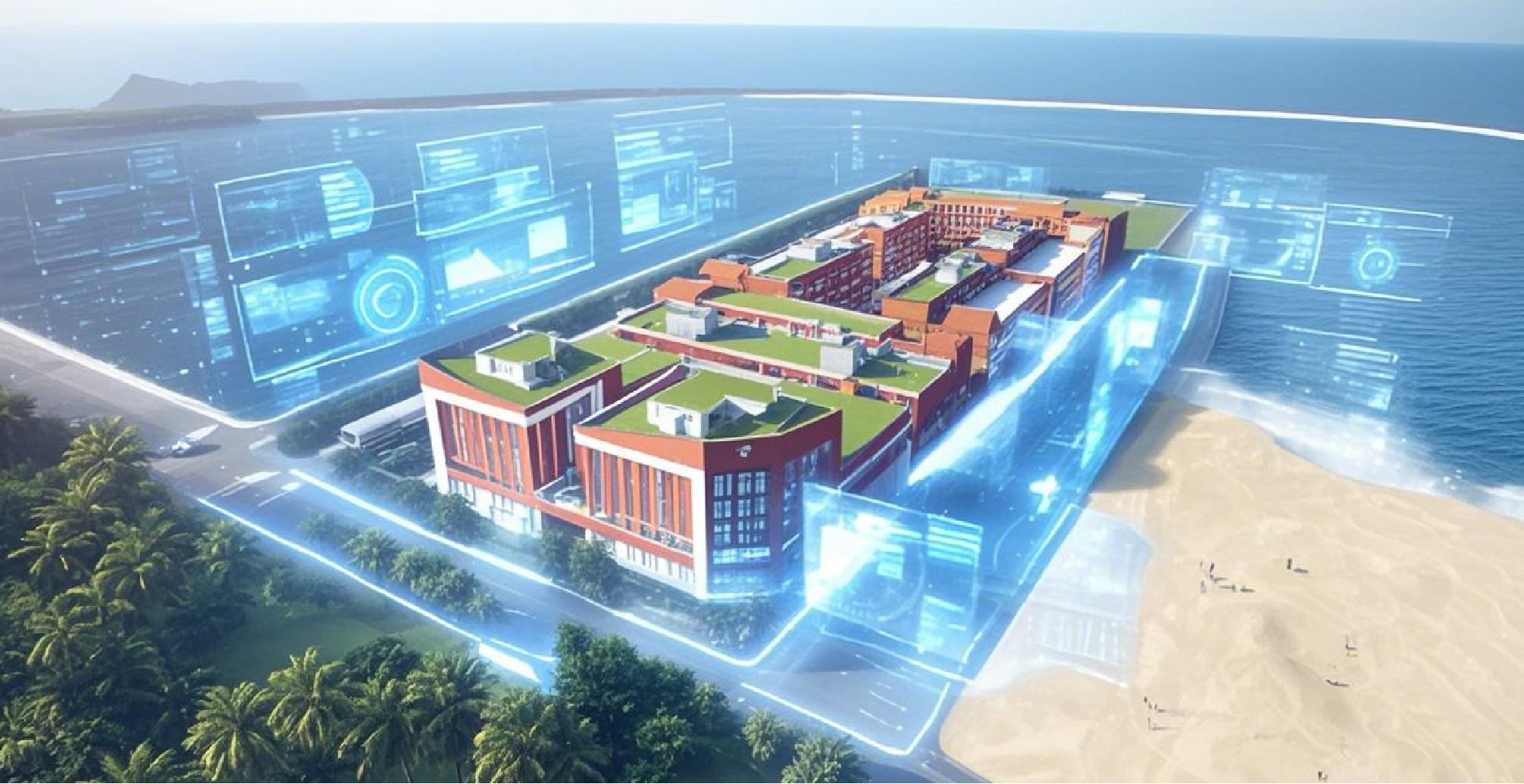
The Xishang Chongwu Fishery City Aquatic Products Trading Center is a key project in Quanzhou, Fujian. The total construction area is about 60000 square meters. The center is planned to cover a vast area and integrate multiple functions such as wholesale trading, cold chain warehousing, processing and distribution of aquatic products. It is committed to building a modern and comprehensive aquatic trading platform and promoting the upgrading and development of the local fishery industry.
After undertaking the construction general contracting of the Xishang Quanzhou Fishery City project, BRSE utilized AI optimization work. By utilizing image recognition technology, AI can monitor construction quality in real-time and quickly identify problems; Based on big data analysis, it can predict construction progress and provide early warning of delay risks; With the help of intelligent algorithms, resource allocation can be optimized, costs can be reduced, and projects can be efficiently promoted in all aspects.

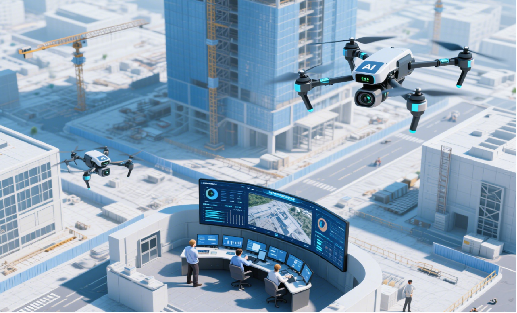
AI+construction progress control
In the construction of the Xishang Quanzhou Fishery City project, AI builds a data collection network through intelligent cameras and sensors to capture images and collect environmental data such as temperature and humidity at fixed intervals. After collection, computer vision and deep learning techniques are used to compare the construction images with the standard process images to determine the progress. Once the progress is abnormal, an immediate warning is issued and a deviation report and adjustment suggestions are generated to help accurately control the construction progress.


AI+Construction Quality Control
In the construction of the Xishang Quanzhou Fishery City project, AI empowers quality control. Using image recognition technology, real-time monitoring of the quality of building materials and the standardization of construction processes, such as detecting whether the spacing between steel bars and the flatness of concrete pouring meet the standards. Collecting environmental data such as temperature and humidity through sensors, and analyzing its impact on construction quality using algorithms, timely warning of anomalies, and ensuring high-quality project delivery.
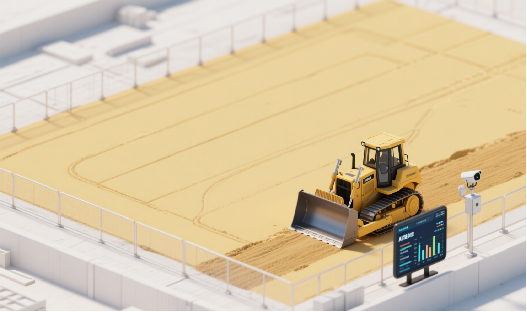
AI+construction cost optimization
In project cost management, AI assists in cost optimization. Using historical data and machine learning algorithms, accurately estimate costs and plan budgets reasonably. Based on real-time data,intelligently schedulesmanpower, materials, and equipment, improves resource utilization, and reduces idle waste. It can also predict market price fluctuations, lock in material procurement costs in advance, and provide full process control to help projects reduce costs and increase efficiency.
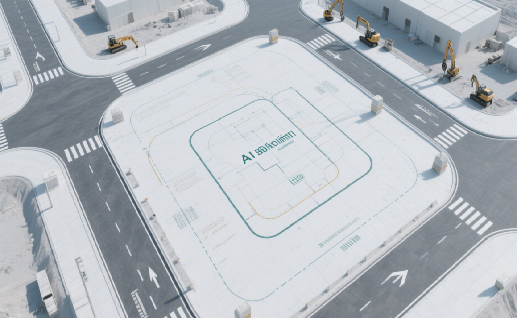
AI+Construction Safety Management
In project security management, AI brings innovation to security. Using image recognition technology, AI cameras monitor personnel's wearing of safety helmets, reflective clothing, and unauthorized operations 24 hours a day. If any abnormalities are detected, an immediate warning will be issued. By using drones equipped with AI, high-altitude inspections of complex construction sites can be carried out, and hidden dangers such as missing edge protection can be identified. It can also use sensors to collect equipment data, analyze and predict faults through AI, maintain in advance, and ensure construction safety in all aspects.
BRSE innovatively utilizes AI intelligent engineering general contracting service mode to assist in material management during the construction of the Xishang Quanzhou Fishery City project. By analyzing historical usage and construction progress, it accurately predicts material demand and avoids inventory backlog or shortage; By combining the Internet of Things and AI, real-time tracking of material and equipment locations can be achieved to prevent loss; By simulating different construction plans through AI and comparing them from multiple dimensions such as energy consumption and construction period, the optimal solution is selected to achieve energy conservation and emission reduction.