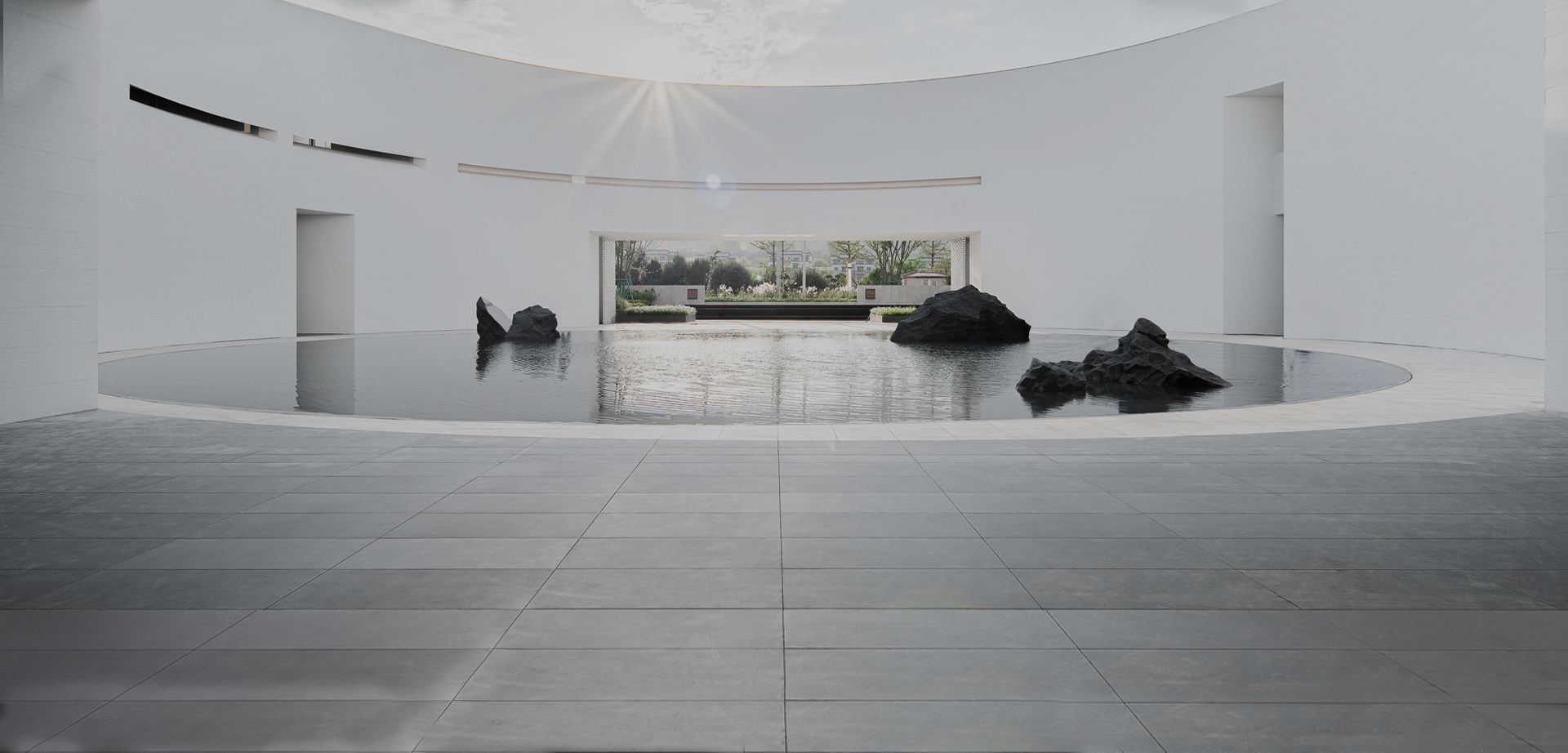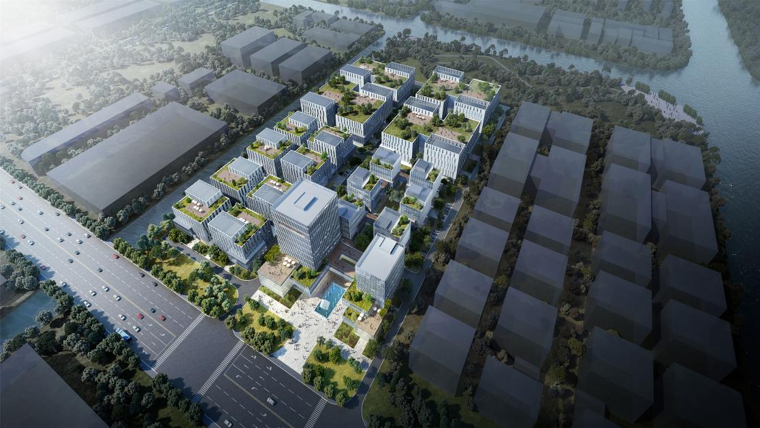
Guosheng Science and Technology Park is located in the Beijing Economic and Technological Development Zone. It is invested, constructed, and independently operated by Zhejiang Kanglide Technology Co., Ltd. Guosheng Science and Technology Industrial Park is invested by Beijing Boda Guosheng Investment Co., Ltd. and designed by California based Gran Architectural Design Co., Ltd. The architectural design of the park is concise, balancing modernization and practicality. The roads are wide and smooth, and the ancillary facilities are fully functional. The park also maximizes the deployment of greenery, taking into account the four functions of research and development, production, living, and beautification.
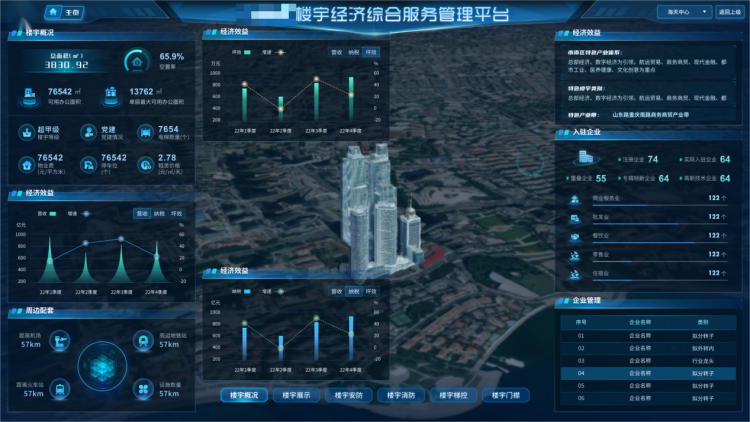
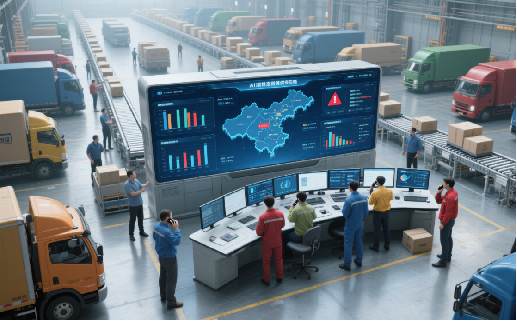
Through our company's integration of AI functions, we have comprehensively upgraded the security monitoring, fire monitoring, safety production, energy control, and intelligent transportation aspects of Guosheng Science and Technology Park. By connecting multiple IoT hardware devices to the smart park platform, we have achieved integrated operation of the smart park. Through the comprehensive control screen of the smart park, real-time control of the park's operation situation has been achieved, providing a demonstration model for empowering smart production and digital economy to enhance the real economy in the digital park.

AI+Smart Property Management
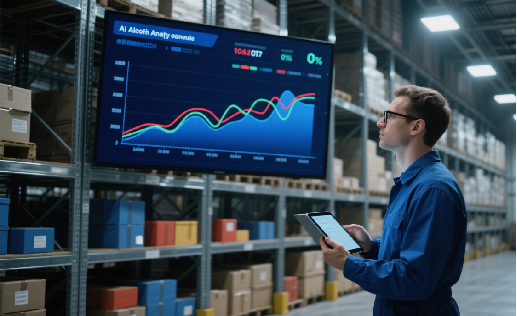
In the property management of the industrial park, AI intelligent management deeply integrates the Internet of Things, big data and machine learning technology to build afull scene intelligent system. Through the deployment of intelligent cameras and edge computing, AI visual analysiscan accurately identify abnormal behaviors such as perimeter intrusion and high-altitude throwing, with a recognition accuracy rate of more than 99%, and the response time of security incidents compressed to the minute level; IoT sensors collect real-time device data, AI builds device health models, predicts faults 72 hours in advance, reduces elevator failure rates by 50%, and lowers energy consumption equipment maintenance costs by 30%. At the same time, based on pedestrian flow, heat and weather data, AI dynamically optimizes air conditioning and lighting strategies, achieving energy savings of 20% -30%; Intelligent Customer Service Robot 7× 24-hour response to repair inquiries, combined with facial recognition to achieve“ Sensorless passage” The efficiency of visitor reservation has increased by 70%.
AI+intelligent security prevention and control
AI visual analysis technologyReal time monitoring of abnormal behaviors in the park, such as perimeter intrusion, fire channel blockage, high-altitude parabolic, etc. Through the deployment of intelligent cameras and edge computing equipment, the recognition accuracy can reach more than 99%. The AI security system combined with video structured analysis automatically captures individuals who are not wearing safety helmets and triggers warnings, reducing the response time for security incidents from 10 minutes to 30 seconds. At the same time, AI algorithms can dynamically learn the daily flow of personnel and vehicles, and distinguish between them; Abnormal aggregation; With“ Regular Activities; Avoiding false alarms and interference, improving security efficiency by over 40%. In the context of epidemic prevention and control, the AI temperature detection and health code verification system achieves contactless access, increasing travel efficiency by 60% and reducing data statistical error rates to below 1%.
AI+digitalization of equipment operation and maintenance
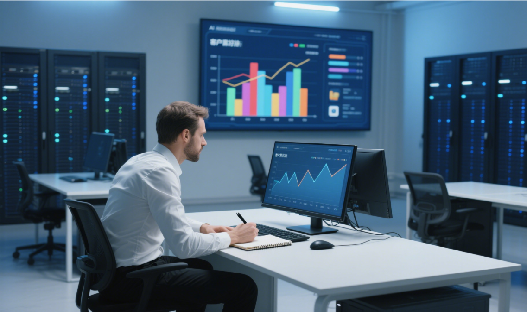
Real time collection of device operation data (such as elevators, air conditioning, and power distribution systems) through IoT sensors, and construction of device health models using AI algorithms to predict fault risks 72 hours in advance. After applying the AI device management system, the elevator failure rate decreased by 50%, maintenance costs decreased by 30%, and downtime was reduced by 60%. For energy consuming devices, AI can dynamically optimize operational strategies: for example, adjusting air conditioning temperatures and fresh air systems based on real-time weather and crowd data can reduce energy consumption in the park by 15% -20%; The intelligent lighting system automatically adjusts brightness through light sensors and personnel movement analysis, with an energy-saving rate of over 30%. Equipment inspection also starts from; Regular manual inspection; Convert to“ AI automatic diagnosis; The work order processing efficiency has been improved by 50%, and the missed detection rate has been reduced to below 2%.
AI+Green Low Carbon and Sustainable Development
AI intelligent managementhelps parks achieve“ Dual carbon; Goal: Through thecarbon footprint calculation model, real-time monitoring of building carbon emissions and analysis of emission reduction potential can be achieved. After application, carbon intensity can be reduced by 18%; The intelligent garbage classification system uses image recognition technology to distinguish garbage types with an accuracy of 95%, promoting a 40% increase in resource recovery rate. In addition, AI can also integrate data from photovoltaic and energy storage devices to optimize the balance of energy supply and demand. For example, a certain park can achieve this through“ Source Network Load Storage; The collaborative system increases the utilization rate of renewable energy to 35% and reduces electricity costs by 25%.
BRSE utilizes the combination of big data and AI technology to achieve multi-dimensional upgrading of park property management: building an intelligent security system, identifying abnormal risks in real time, and improving security response efficiency; By collecting device data and modeling health, predictive maintenance can be achieved to reduce failure rates and operational costs; Optimize service experience, rely on intelligent customer service and seamless access technology to improve management efficiency, and accurately layout facilities based on user behavior; Dynamically adjusting the energy consumption system to achieve energy conservation and reduce consumption, and assisting in green transformation; Real time data-driven emergency response and decision support, comprehensively improving operational efficiency and sustainability, and promoting management from passive response to proactive intelligence.